
Sales Hotline: 13380126037
24-Hour Hotline: 13288890952
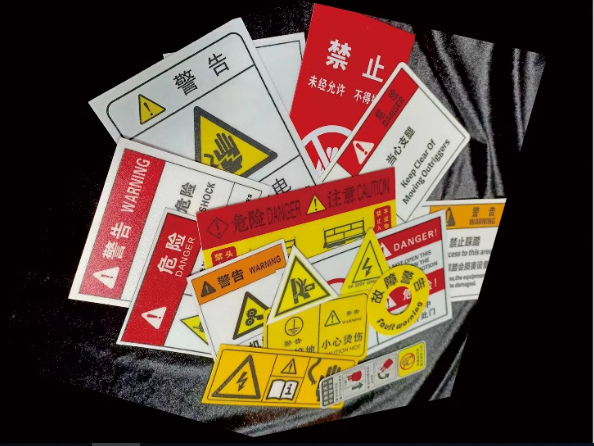
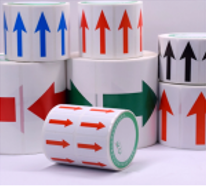
Die-cutting quality directly affects later self-adhesive label production processes and can cause product defects. Every stage matters. This article introduces quality requirements and methods, then examines common factors affecting label die cutting.
1. Die-Cutting Quality Requirements
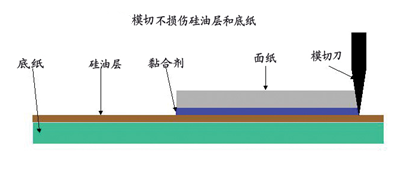
The blade should cut through the adhesive without damaging the silicone release layer. This is referred to as precision die cutting, as illustrated in Figure 1. In practice, cutting method, equipment accuracy, tooling and label materials make this ideal difficult to achieve. Precision die cutting remains the goal and guides effective quality improvement.
2. Types of Die-Cutting Methods
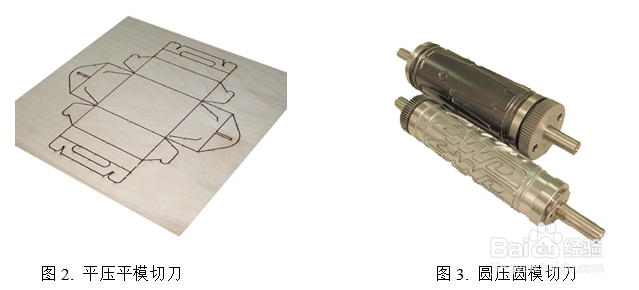
The two main methods are flatbed and rotary die cutting. Each has advantages, while rotary die cutting offers particularly high accuracy and productivity. The illustration below shows typical tools for both methods.
3. Factors Affecting Die-Cutting Quality
Quality depends on the cutting method, equipment accuracy, blade-to-material suitability, operator skill, production environment and static electricity, among other factors.
(1) Effect of Label Face Materials
Common face materials are paper and film. Paper consists mainly of fibers and fillers such as calcium carbonate and kaolin, making it relatively easy to die cut and less likely to cause cutting-quality problems.
Common label films include PE, PP and PET. Films, especially tough PET polyester, require more demanding cutting conditions than paper. Hardened blades are recommended, preferably above 58 Rockwell hardness, with edge angles of 32°–75°. Smaller angles give sharper edges and easier cutting.
(2) Effect of Adhesives
Label adhesives include water-based acrylic emulsions and rubber-based hot melts. Acrylic emulsions have lower cohesion and are easier to cut, with fewer tooling and environmental demands. Hot melts have stronger molecular cohesion and must be cut completely to strip waste properly; otherwise labels may lift from the liner.
(3) Effect of Release Liners
Flatness and uniform liner thickness are essential. In rotary die cutting, blade height depends on liner thickness. Uneven liners can cause blades to cut through the liner or fail to cut the face material, complicating waste stripping.
(4) Die-Cutting Tools
Flatbed blades are arranged manually or through laser cutting and computer-controlled bending, installed in medium-density board, then mounted in the machine's die holder.
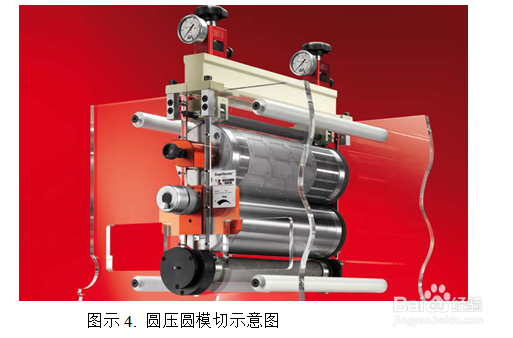
Rotary die cutting is an advanced process in which blade height is determined by liner thickness to maintain consistent quality. Line contact between the die and anvil allows pressure to be controlled at two points, keeping cutting pressure uniform and enabling high accuracy.
(5) Other Factors
Operator skill, workshop conditions and the machine's mechanical precision also affect cutting quality.
Business Hotline: 13288890952
Phone: 13380126037
Address: Room 101, No. 170 Huangshahe East Road, Xiangxi Village, Liaobu Town, Dongguan, Guangdong, China E-Mail:yanggang@qydg.com.cn
Copyright © 2024 Dongguan Qingyang Electronic Technology Co., Ltd. All Rights Reserved. 粤ICP备2024328534号-1 粤ICP备2024328534号-2
 Scan to add us on WeChatScan to contact us on WeChat
Service Hotline