
Sales Hotline: 13380126037
24-Hour Hotline: 13288890952
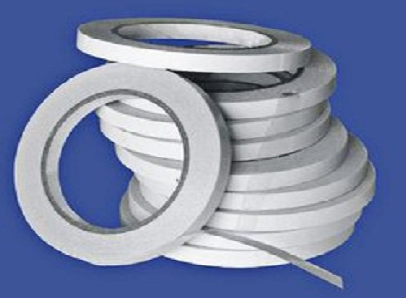
Characteristics of Different Double-Sided Tapes:
1. PET-backed tape: good temperature and shear resistance, typically 100–125°C long term and 150–200°C short term, with a thickness of 0.048–0.2 mm. Suitable for nameplates, LCDs and decorative parts.
2. Nonwoven-backed tape: good adhesion and processability, typically 70–80°C long term and 100–120°C short term, with a thickness of 0.08–0.15 mm. Used for nameplates, plastic lamination, automotive and mobile products, appliances, foams, rubber, signs, paper products, toys, electronic assembly and display lenses.
3. Unsupported transfer tape: strong bonding, resistance to detachment, waterproofing and good processability. Typical temperature resistance is 204–230°C short term and 120–145°C long term, with a thickness of 0.05–0.13 mm. Suitable for nameplates, panels and decorative parts.
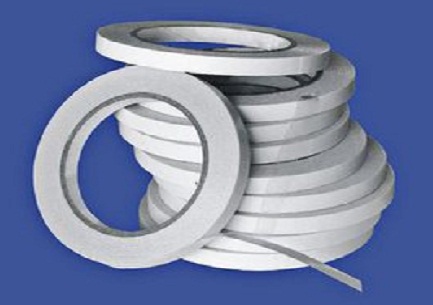
4. Foam double-sided tape: foam coated on both sides with strong acrylic adhesive, with a release liner or film on one side. Lining both sides creates a sandwich construction that facilitates die cutting. It offers strong adhesion and holding power, waterproofing, temperature resistance and UV resistance. Foam backings include EVA, PE, PU, acrylic and highly expanded foams; adhesive systems include solvent-based, hot-melt, rubber and acrylic types.
5. Hot-melt adhesive film: consistent, uniform bond thickness, solvent-free, easy to process and suitable for many surfaces. Typical thickness is 0.1 mm; color is translucent or amber and softening temperature is 116–123°C. Suitable for nameplates, plastics and metal parts, including uneven surfaces. Suggested initial bonding conditions are 132–138°C, one to two seconds and 10–20 psi.
Double-sided tape plays a useful role in phones and computers, automotive trim and components, and household hooks, furniture and toys.
Business Hotline: 13288890952
Phone: 13380126037
Address: Room 101, No. 170 Huangshahe East Road, Xiangxi Village, Liaobu Town, Dongguan, Guangdong, China E-Mail:yanggang@qydg.com.cn
Copyright © 2024 Dongguan Qingyang Electronic Technology Co., Ltd. All Rights Reserved. 粤ICP备2024328534号-1 粤ICP备2024328534号-2
 Scan to add us on WeChatScan to contact us on WeChat
Service Hotline