
Sales Hotline: 13380126037
24-Hour Hotline: 13288890952
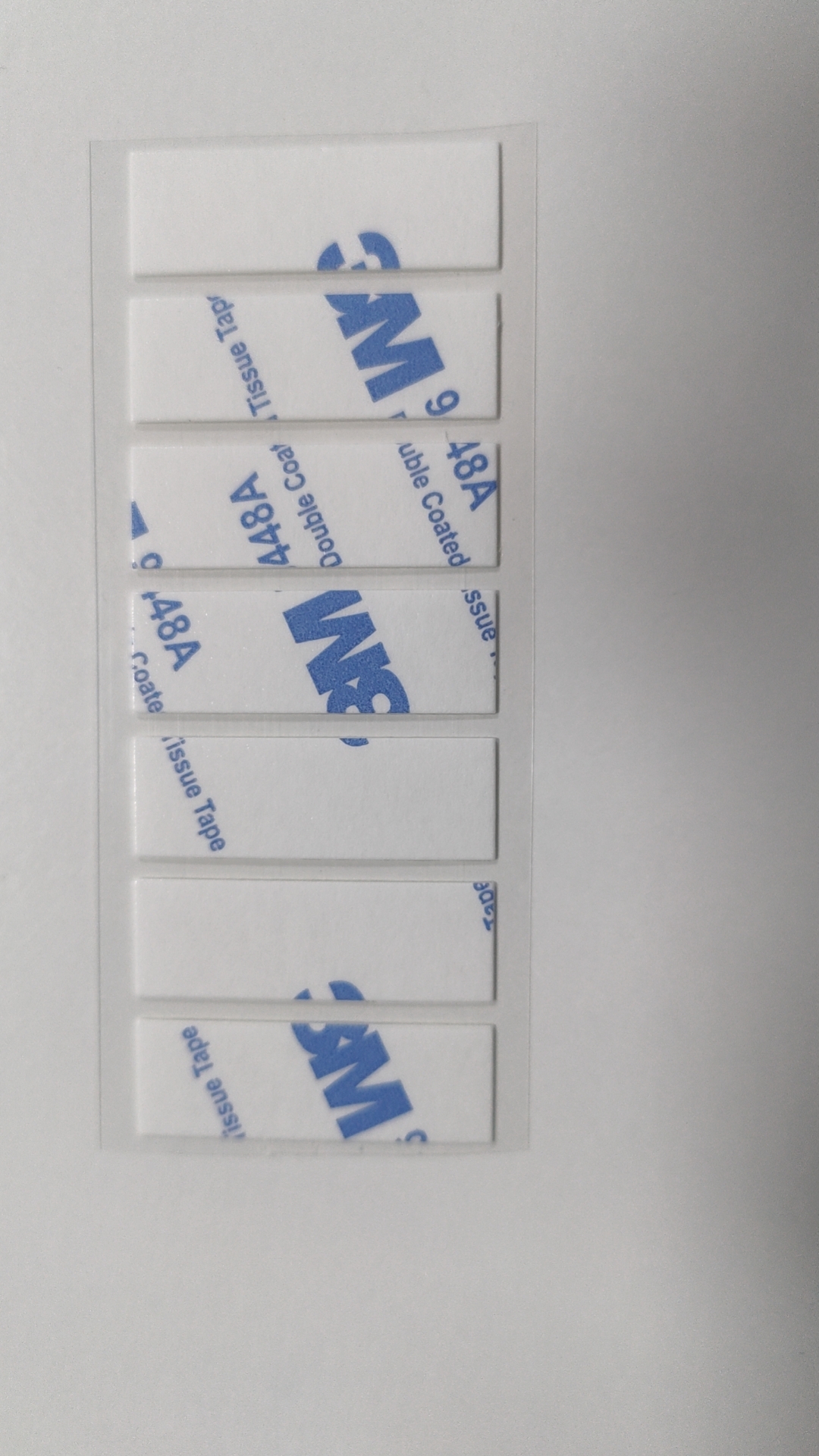
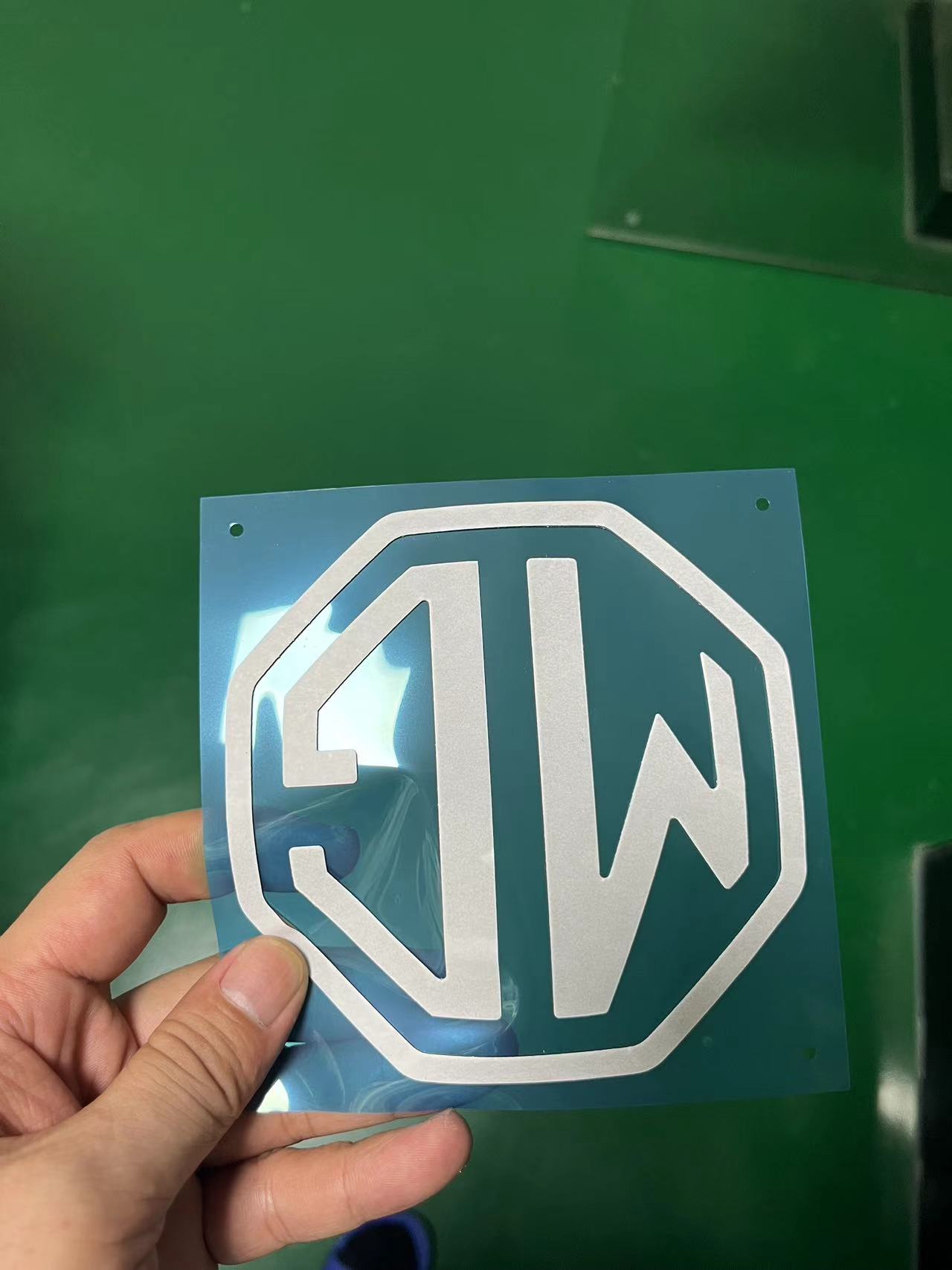
Die-cut double-sided tape supports a wide range of bonding applications, including metals, powder-coatedsurfaces, glass, plastics and fibers.
Uses and Applications of Double-Sided Tape:
Specialized adhesive technology supports a broad range of bonding needs on metals, powder-coated surfaces, glass, plastics and fibers.
Different tape options support joining, sealing, gap filling, shock absorption, sound absorption, electrical conductivity and heat transfer.
Die-cut tape products are mainly used for bonding in laptops, phones, servers, copiers, fax machines, automobiles and LCD-related equipment.
Double-sided tape can reduce industrial production costs and improve manufacturing efficiency.
Collecting the Die
After preparing the materials, collect the die according to the drawings and part number. Carefully compare the part and tool numbers rather than relying on product appearance. Large factories may have many similar tools and several old and new sets for the same product. Discovering a wrong die only after production begins can waste substantial material.
(2) Securing the Die
Mount the die on the machine platen after checking the work instructions and confirming whether it is an upward- or downward-cutting die. Upward-cutting dies are mounted on the lower platen and downward-cutting dies on the upper platen. Use thin, strongly adhesive, stable double-sided tape, commonly 3M tape, to prevent the die from coming loose during cutting.
(3) Adjusting Die Alignment
Securing the die is not enough; it must be aligned perpendicularto the machine's material feed direction so that it remains square to the web during cutting.
(4) Securing the Backing Plate
A backing plate prevents direct contact between the blade and platen, reducing tool damage and extending service life. A PVC or PE insulation plate about 1 mm thick is commonly used. It should extend at least 5 mm beyond each side of the tool base and is preferably secured on the side facing the feed direction.
Some operators use two backing plates during setup to simplify adjustment.
(5)Die-cutting pressure adjustment
Pressure adjustment primarily means setting die-holder depth. After mounting the tool, perform trial cuts to verify effective cutting. Do not perform single-action or linked cutting directly during adjustment; switch the machine to manual mode for testing. If the die at its current stroke cannot effectively cutthe material, increase pressure and test again. If it reaches the lower die holder, pressure is too high and should be reduced before retesting.
Business Hotline: 13288890952
Phone: 13380126037
Address: Room 101, No. 170 Huangshahe East Road, Xiangxi Village, Liaobu Town, Dongguan, Guangdong, China E-Mail:yanggang@qydg.com.cn
Copyright © 2024 Dongguan Qingyang Electronic Technology Co., Ltd. All Rights Reserved. 粤ICP备2024328534号-1 粤ICP备2024328534号-2
 Scan to add us on WeChatScan to contact us on WeChat
Service Hotline